PPLASTIGRAY
Engineering Plastics - Project

About Us

To match polymer selection to real service conditions, so engineering plastics deliver the wear, chemical and weight advantages they are capable of.

Who We Are

About Our Company

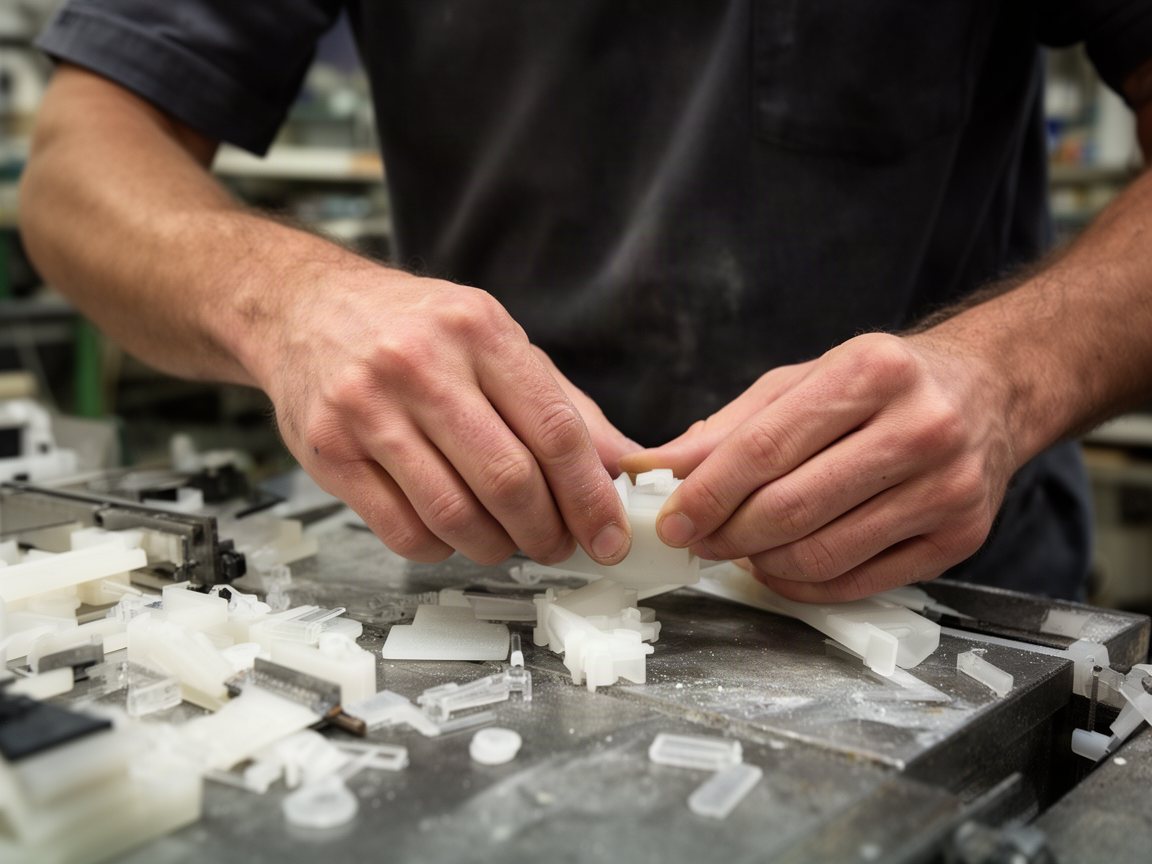
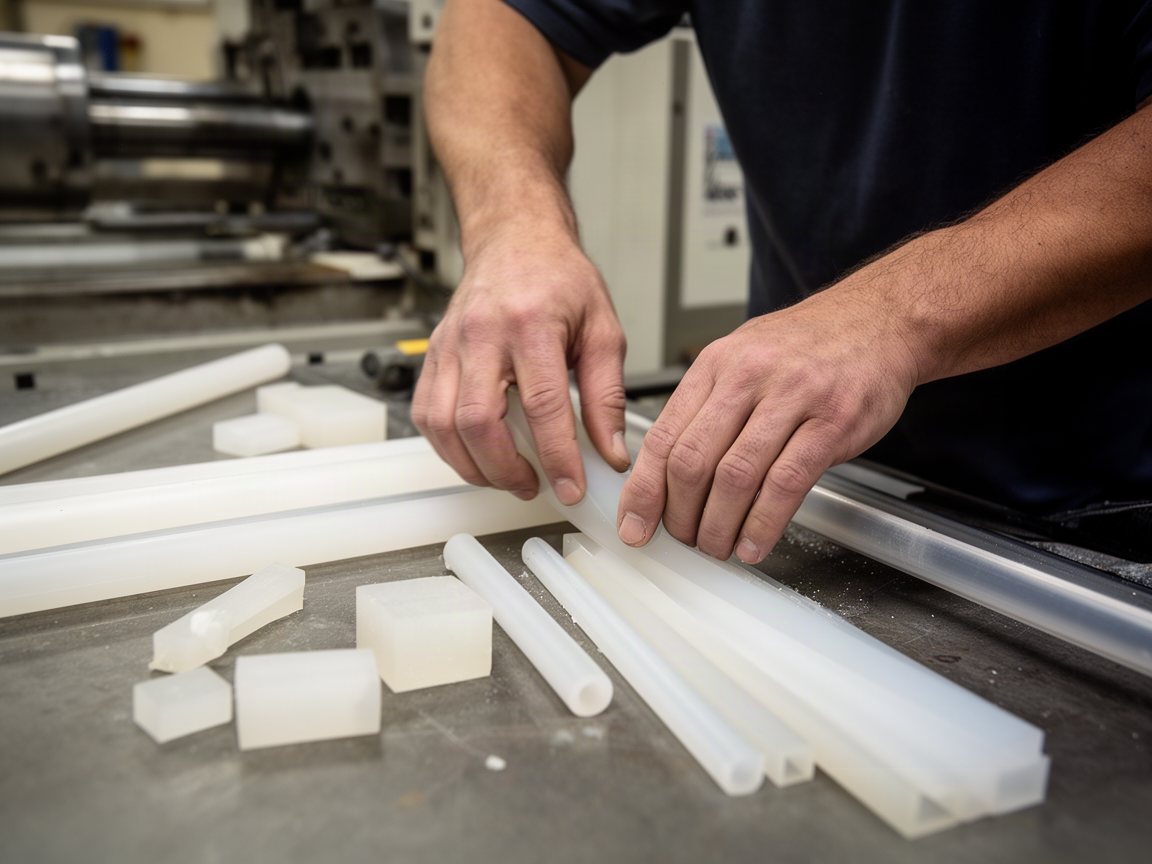
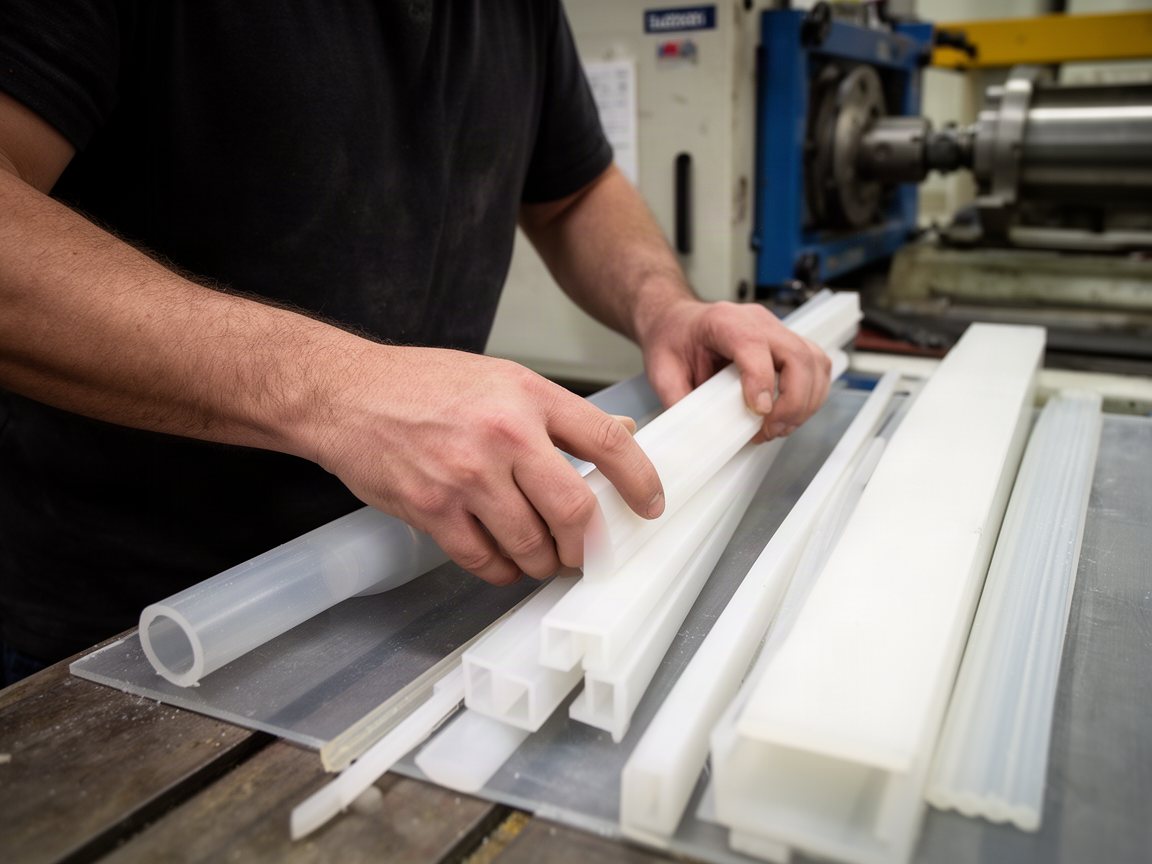
PLASTIGRAY supplies engineering plastics as stock shapes and as finished machined components, along with resin and compound supply for molders. Our material range spans ultra high molecular weight polyethylene, nylon in cast and extruded forms, acetal, polycarbonate, acrylic, PET, PTFE and filled fluoropolymers, PEEK, PPS, PVDF, polypropylene, PVC and high temperature and chemically resistant specialty polymers. We hold sheet, rod, tube and profile in a wide range of sizes, machine finished parts on computer controlled equipment, and fabricate assemblies by welding, bonding and forming.

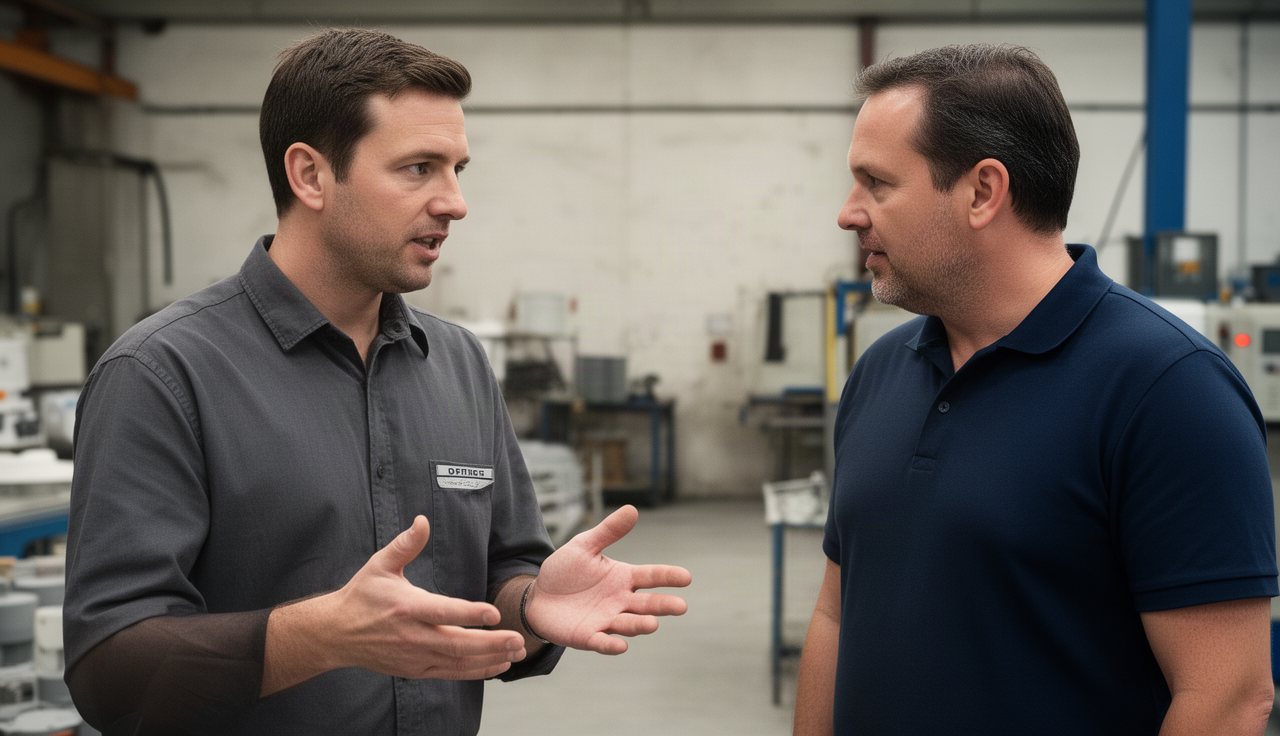
Equipment builders and plant engineers around come to PLASTIGRAY because polymer selection goes wrong in predictable ways. Nylon absorbs moisture and grows dimensionally, which ruins a tight tolerance part if nobody allowed for it. Acetal is dimensionally excellent and poor in strong acids. Polycarbonate is exceptionally tough and attacked by many solvents. Ultra high molecular weight polyethylene is superb in sliding wear and limited in temperature. We ask about load, speed, temperature, chemical contact, moisture and tolerance requirements, recommend accordingly, and machine with the stress relief and dimensional allowances that keep parts in print.

Engineering Plastics - Service

Core Capabilities

  • Moisture conditioning and dimensional movement are accounted for in tolerances.
  • Stock is stress relieved and documented before precision machining begins.
  • Machined parts are inspected against the drawing before dispatch.
  • Welded and fabricated assemblies are pressure or dye tested where required.
  • Wear components are reviewed against the failure mode they are replacing.
  • Material selection considers temperature, load, chemistry, speed and wear together.

Track Record

By The Numbers

60+Polymer Grades Stocked
97%Same-Day Stock Availability
0.001 inAchievable Machining Tolerance
22 yrsPolymer Application Experience

Projects & Case Studies

Selected Work

Chemical Resistant Components For Process PlantChemical Service

Chemical Resistant Components For Process Plant

Parts failing in an aggressive chemical environment were reviewed against the specific exposure and moved to a fluoropolymer grade suited to the chemistry and temperature. Replacement intervals extended from weeks to years.

View Details
Wear Strip Program For Packaging LinesConveyor Components

Wear Strip Program For Packaging Lines

Metal guides requiring regular greasing were replaced with self-lubricating polymer wear strips. Greasing was eliminated, line noise dropped noticeably and wear on the chain running against the guides reduced measurably.

View Details
Molding Defects Traced To Resin DryingResin Supply

Molding Defects Traced To Resin Drying

A molder experiencing surface defects and property shortfalls was found to be inadequately drying a hygroscopic resin. Corrected drying procedure and equipment resolved defects that had been blamed on tooling for months.

View Details
Tolerance Problem On Nylon Parts ResolvedPrecision Machining

Tolerance Problem On Nylon Parts Resolved

Machined nylon components fitting correctly at inspection and binding in service were growing through moisture absorption. Dimensional allowance and a grade change resolved the issue without redesigning the assembly.

View Details

Our Mission

To machine plastics with the stress relief, tooling practice and dimensional allowances the materials actually require, rather than treating them as soft metal.

Compliance

Standards & Credentials

  • ISO 9001 Quality Management
  • FDA Food Contact Material Documentation
  • ASTM D638 Plastic Tensile Testing
  • EU 10/2011 Food Contact Compliance
  • RoHS & REACH Material Compliance
  • ISO 45001 Occupational Health & Safety

Machined parts are inspected and dimensionally reported on request.

Not Sure Which Polymer Suits Your Part?

Describe the load, temperature and chemical exposure to PLASTIGRAY and we will recommend a grade with the reasoning explained.

Engineering Plastics - Hero

Services

We machine plastics properly: stress relieved stock, correct tooling and feeds, dimensional allowance for moisture absorption and thermal movement, and inspection at stable temperature.

Our Process

How We Work

  1. 1

    Review The Application

    We establish load, speed, operating and peak temperatures, chemical and moisture exposure, tolerance requirements, regulatory constraints and whether the part will be machined, fabricated or molded.

  2. 2

    Recommend Material

    A polymer and grade are proposed with the reasoning stated, including dimensional stability, wear behavior and any limitations, plus alternatives where cost and performance trade off.

  3. 3

    Supply Or Machine

    Stock is cut and supplied, or components are machined from stress relieved material with polymer-appropriate tooling and inspection at stable temperature.

  4. 4

    Verify & Support

    Dimensions are verified, documentation supplied where compliance applies, and in-service performance reviewed so material selection can be refined if the duty proves different from expectation.

Our Services

What We Do

Resin & Compound Supply
Step 01

Resin & Compound Supply

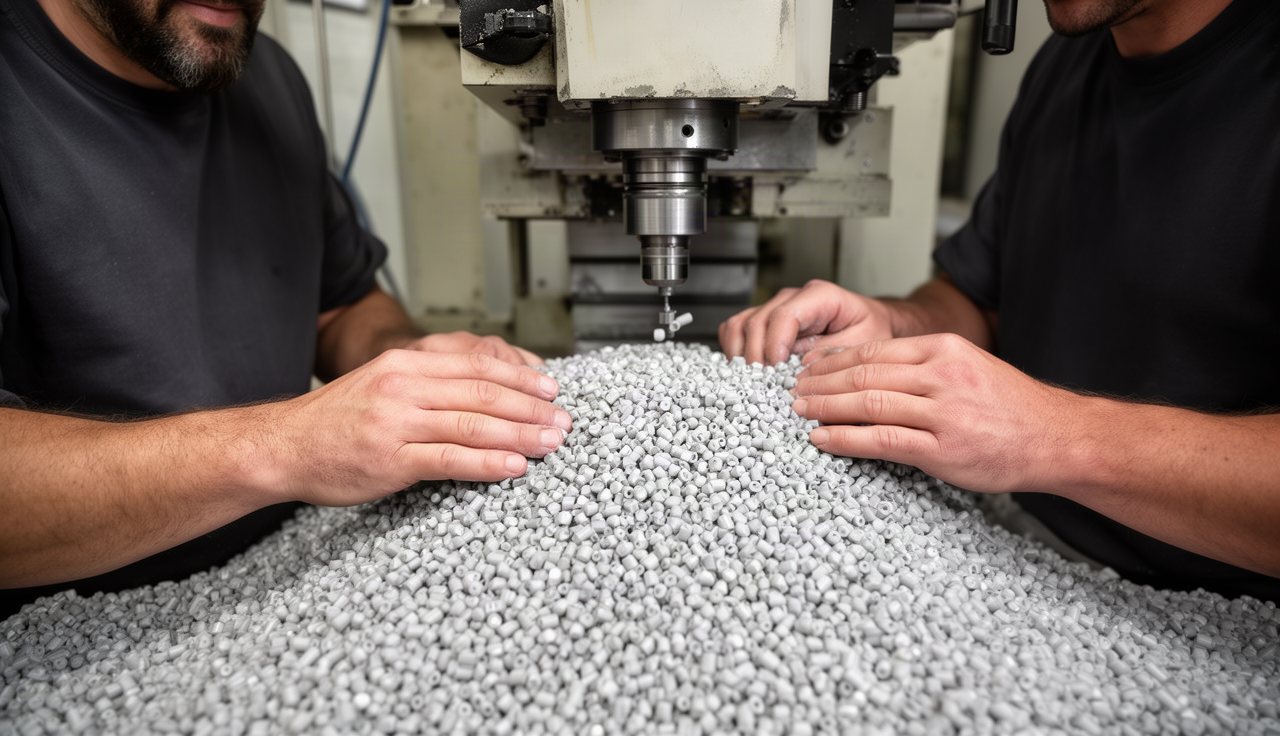
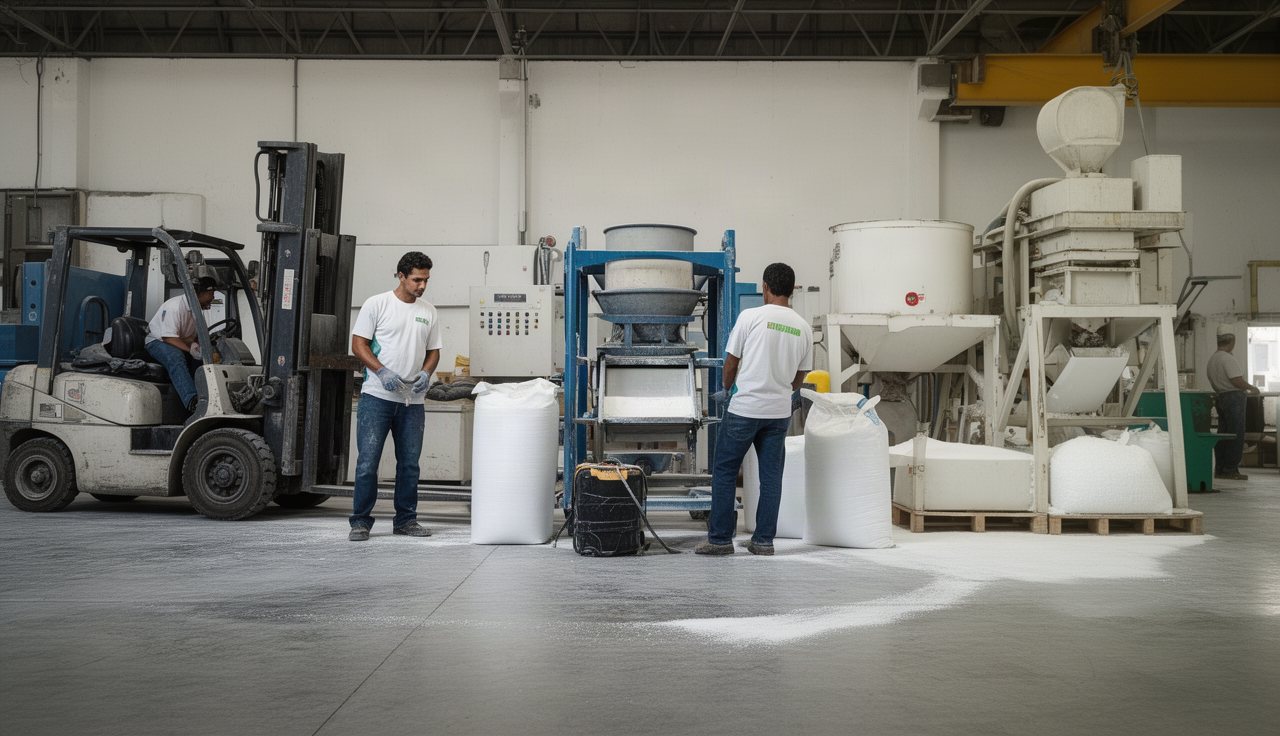
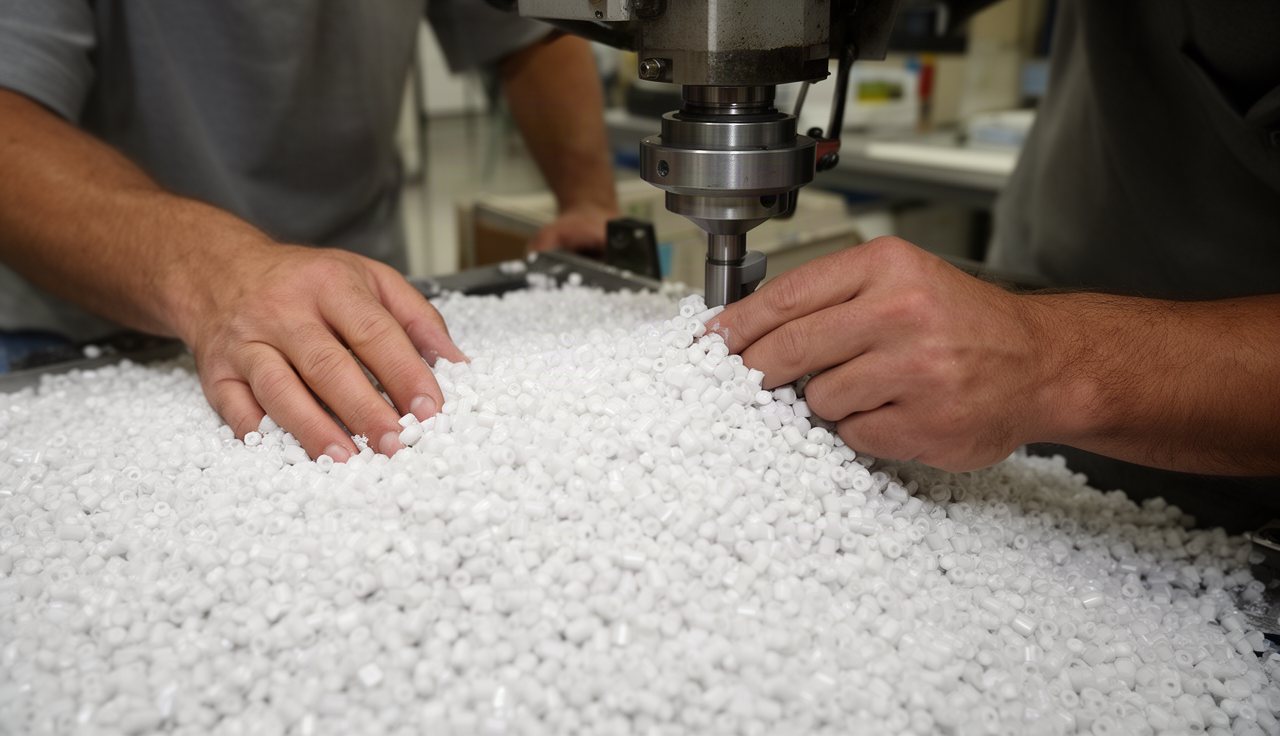
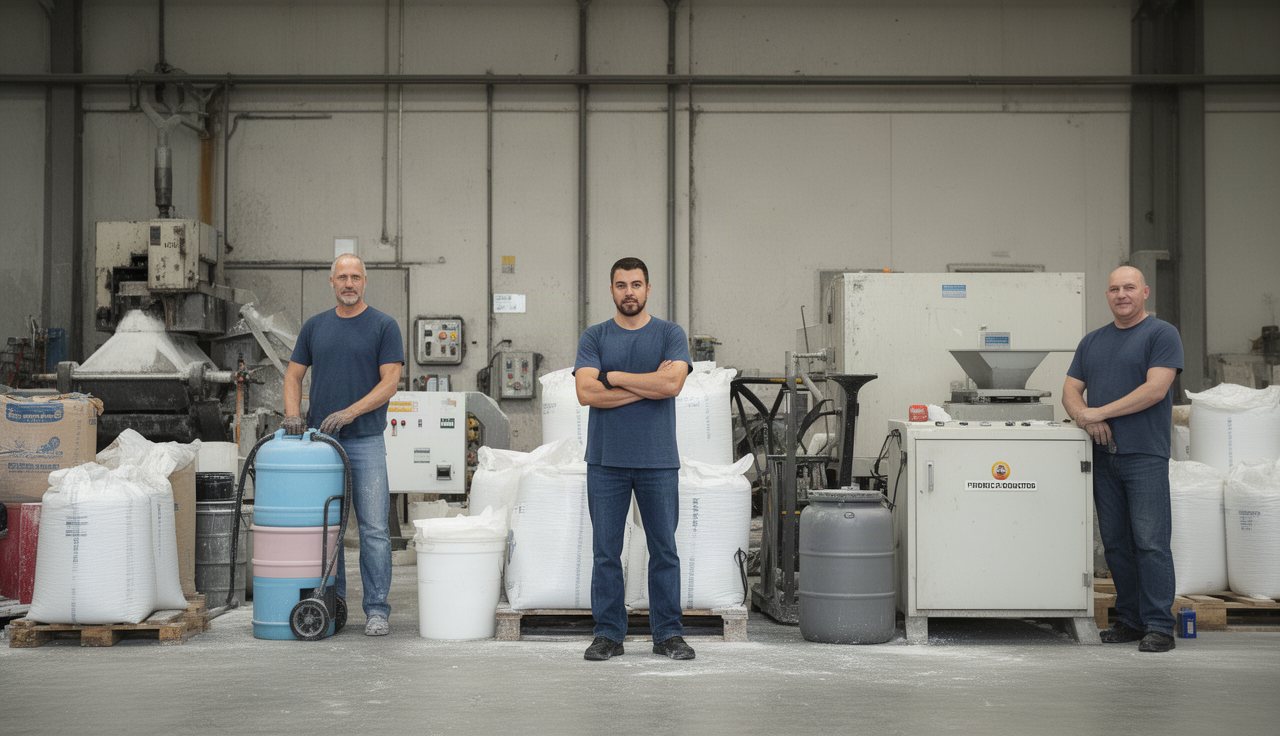
Supply of engineering resins, compounds, masterbatch and additives to molders and extruders, with grade selection support, drying guidance and processing parameter advice. Many molding defects trace to inadequate drying of hygroscopic resins rather than to tooling or machine issues.

Request a Quote
Precision Plastic Machining
Step 02

Precision Plastic Machining

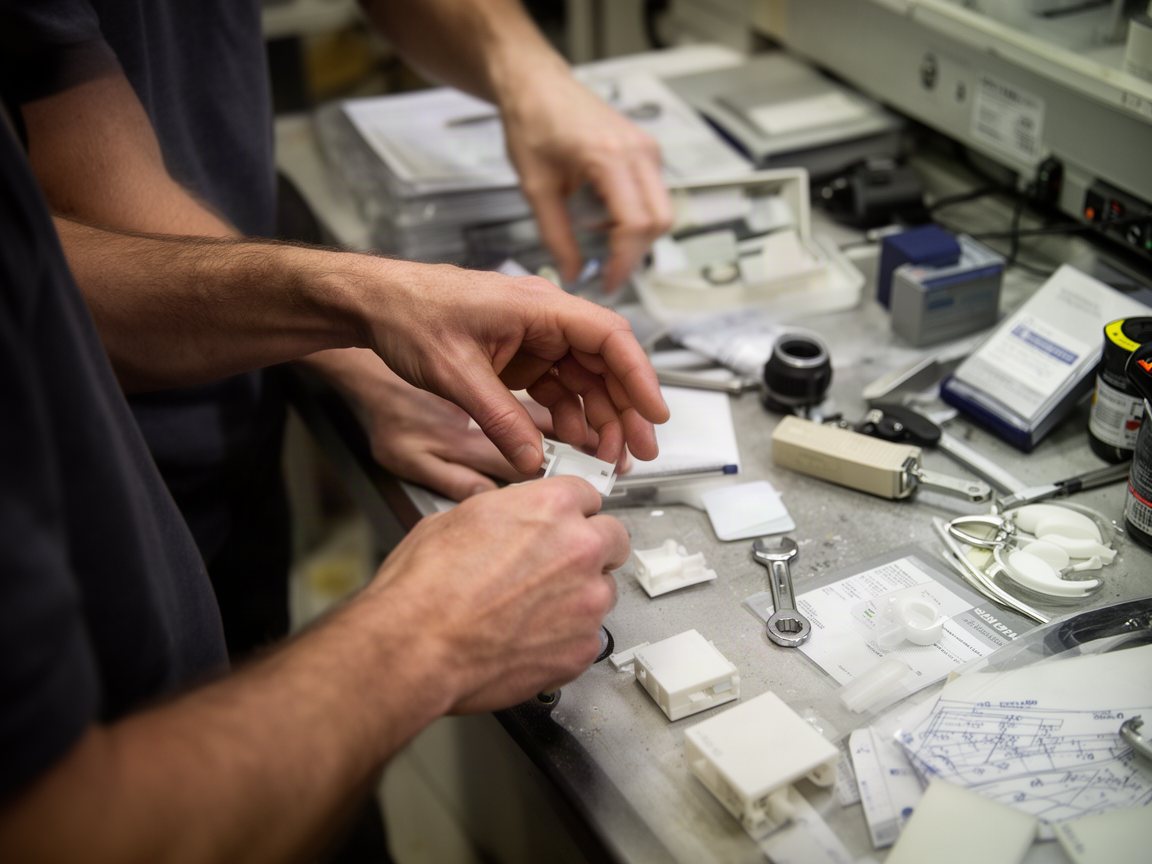
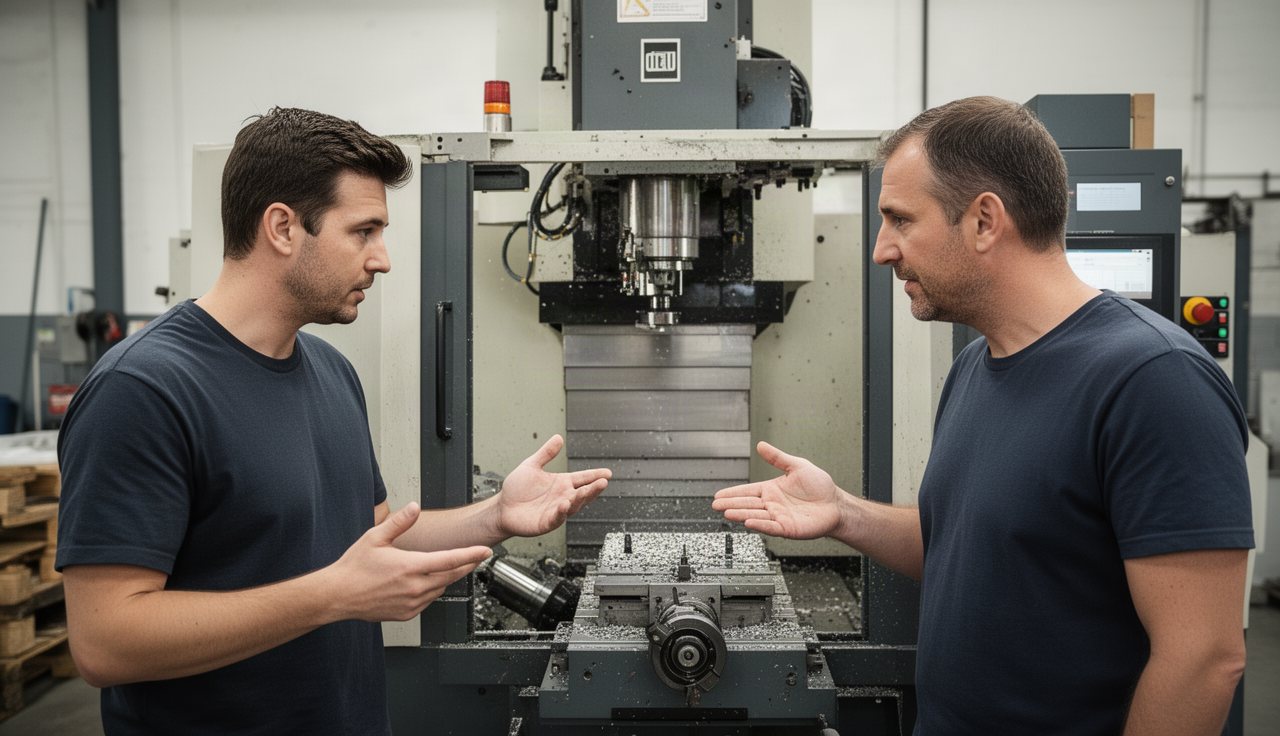
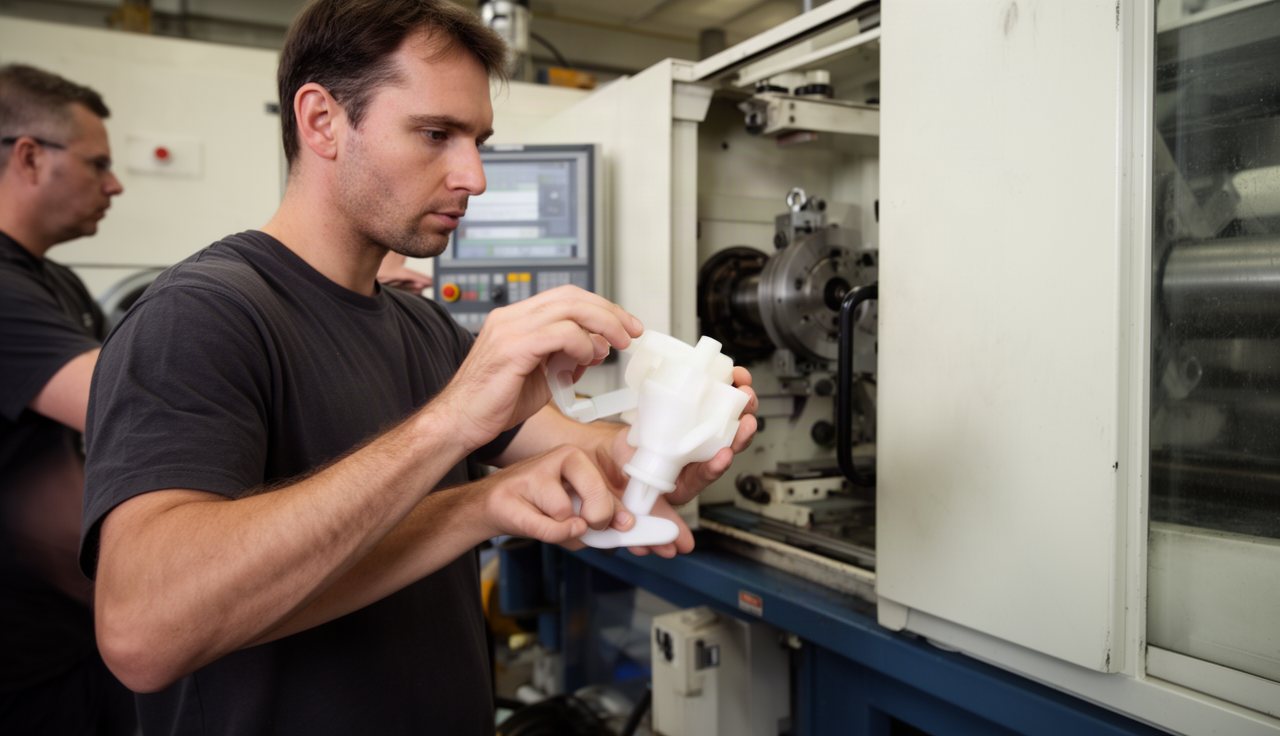
Computer controlled milling and turning of plastic components with stress relieved stock, tooling and feeds selected for the polymer, and dimensional allowance for moisture absorption and thermal movement. Plastics machined like metal come off the machine in tolerance and move afterwards, which is why practice matters.

Request a Quote
Material Selection & Technical Support
Step 03

Material Selection & Technical Support

Application review covering load, speed, temperature, chemical contact, moisture exposure, regulatory requirements, tolerance needs and cost, with honest guidance including cases where a cheaper material is entirely adequate or a metal component should stay metal.

Request a Quote
Food Grade & Regulated Applications
Step 04

Food Grade & Regulated Applications

Materials with appropriate food contact compliance documentation for processing and packaging equipment, including detectable polymers where foreign body control programs require them. Compliance documentation is supplied with the material rather than requested after an audit question.

Request a Quote
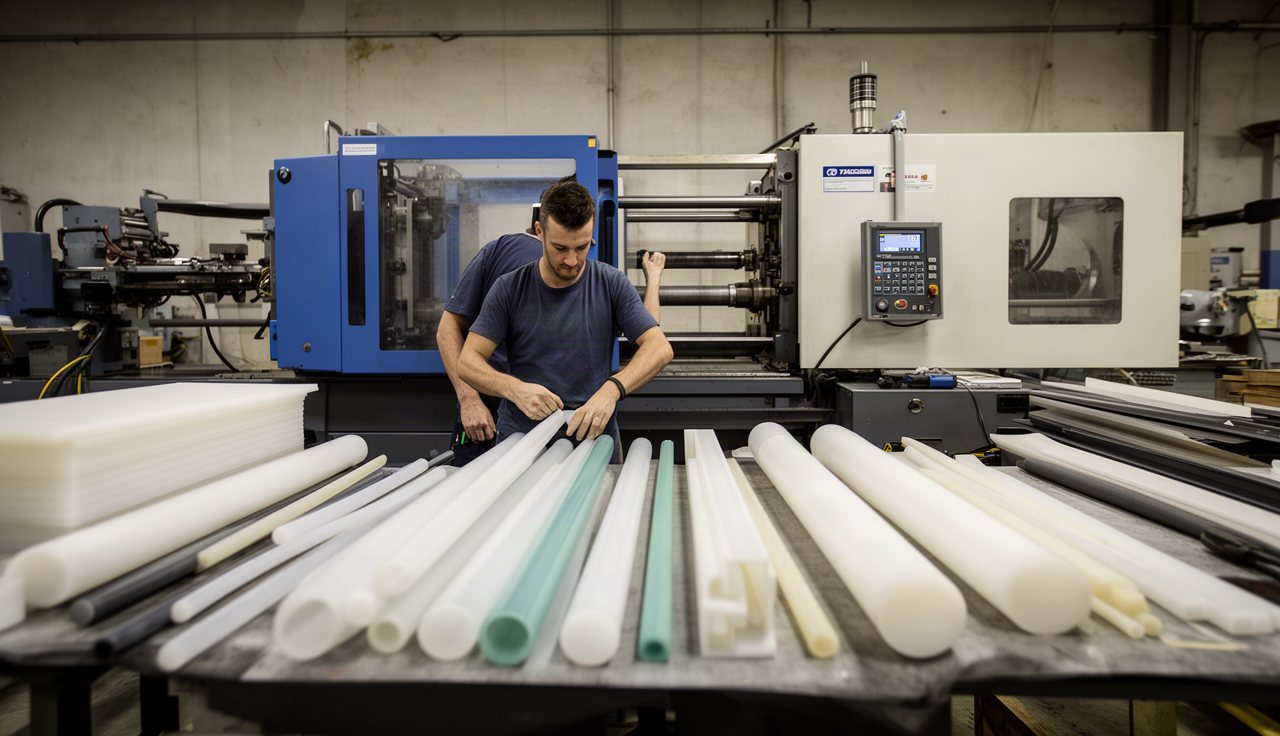
Stock Shapes: Sheet, Rod, Tube & Profile
Step 05

Stock Shapes: Sheet, Rod, Tube & Profile

Extensive inventory of sheet, rod, tube and profile across engineering and commodity polymers in a broad range of sizes, with cut-to-size service. Having material on the shelf matters because a replacement wear strip or guide is usually needed the same week the machine stops, not the following month.

Request a Quote
High Performance & Chemical Resistant Polymers
Step 06

High Performance & Chemical Resistant Polymers

PEEK, PPS, PVDF, PTFE and filled fluoropolymers, polyimides and other high temperature or chemically resistant materials for demanding service in chemical processing, semiconductor, energy and medical applications, with grade selection against the specific exposure.

Request a Quote
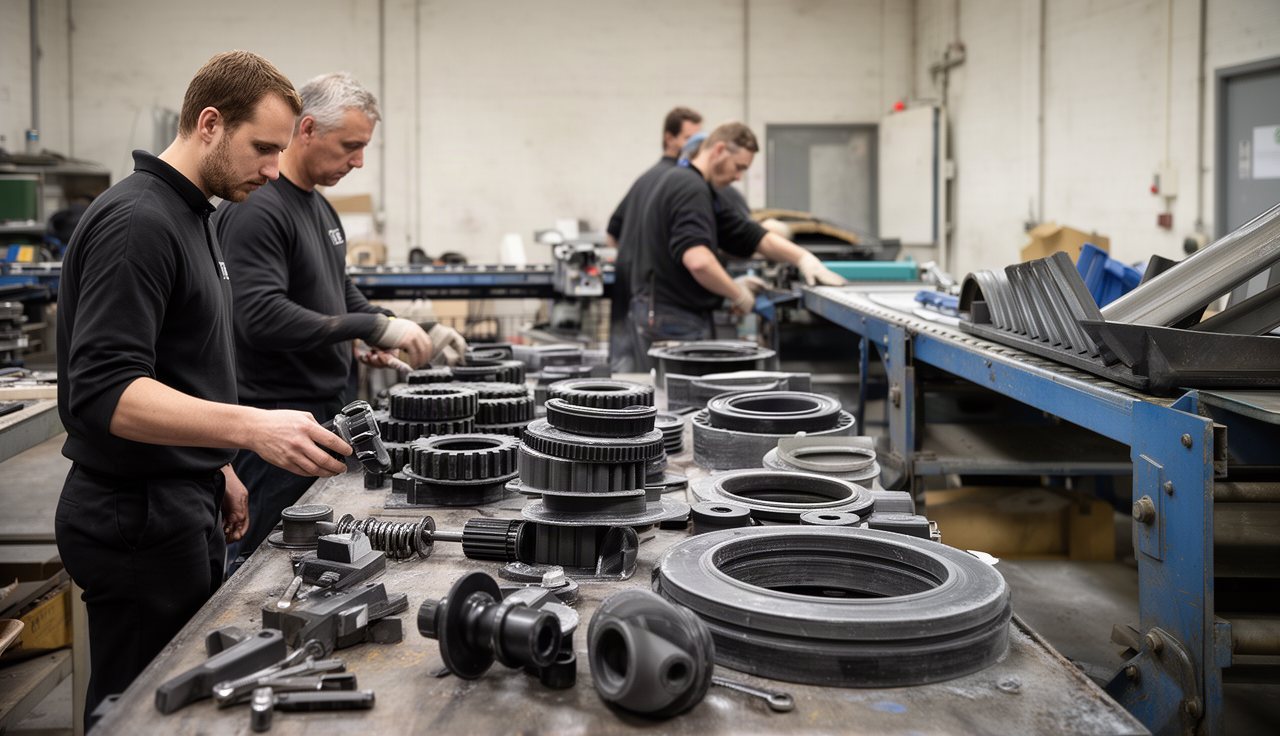
Wear Components & Conveyor Parts
Step 07

Wear Components & Conveyor Parts

Wear strips, chain guides, star wheels, timing screws, bearings, bushings, rollers and sprockets in self-lubricating polymers that eliminate greasing, reduce noise and protect the metal running against them. Material choice balances wear rate, coefficient of friction, temperature and load.

Request a Quote
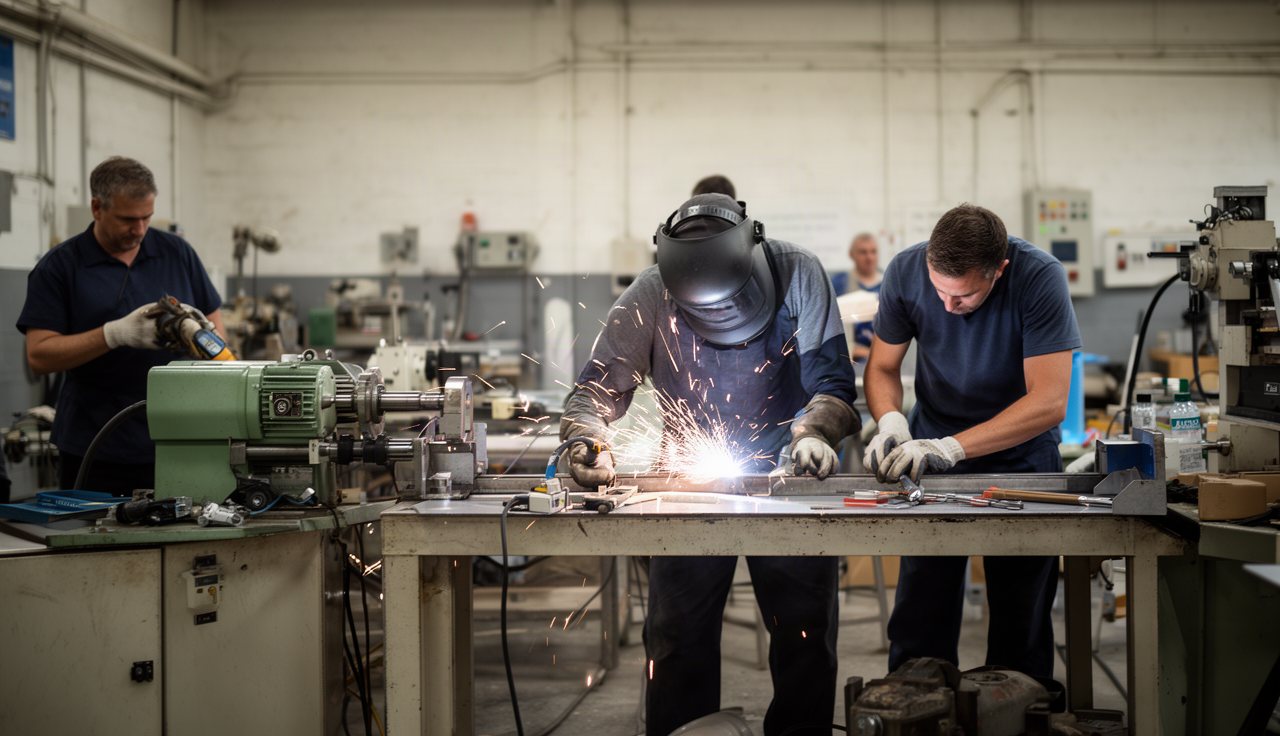
Fabrication, Welding & Assembly
Step 08

Fabrication, Welding & Assembly

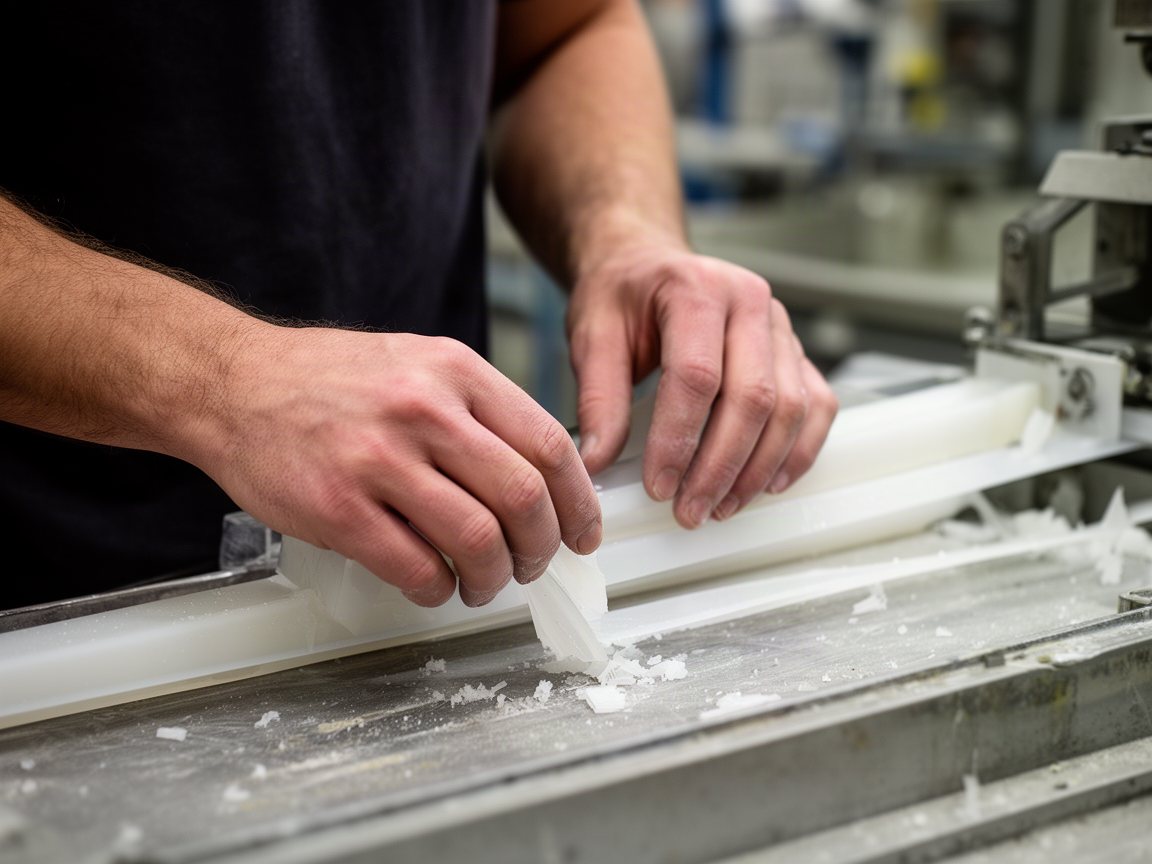
Plastic fabrication including hot gas and extrusion welding, bonding, forming, bending and assembly for tanks, enclosures, guarding, hoppers and ductwork, with joint design suited to the polymer. Not every engineering plastic can be welded, which affects design before it affects fabrication.

Request a Quote

Projects & Case Studies

Selected Work

Chemical Resistant Components For Process PlantChemical Service

Chemical Resistant Components For Process Plant

Parts failing in an aggressive chemical environment were reviewed against the specific exposure and moved to a fluoropolymer grade suited to the chemistry and temperature. Replacement intervals extended from weeks to years.

View Details
Wear Strip Program For Packaging LinesConveyor Components

Wear Strip Program For Packaging Lines

Metal guides requiring regular greasing were replaced with self-lubricating polymer wear strips. Greasing was eliminated, line noise dropped noticeably and wear on the chain running against the guides reduced measurably.

View Details
Molding Defects Traced To Resin DryingResin Supply

Molding Defects Traced To Resin Drying

A molder experiencing surface defects and property shortfalls was found to be inadequately drying a hygroscopic resin. Corrected drying procedure and equipment resolved defects that had been blamed on tooling for months.

View Details
Tolerance Problem On Nylon Parts ResolvedPrecision Machining

Tolerance Problem On Nylon Parts Resolved

Machined nylon components fitting correctly at inspection and binding in service were growing through moisture absorption. Dimensional allowance and a grade change resolved the issue without redesigning the assembly.

View Details

Not Sure Which Polymer Suits Your Part?

Describe the load, temperature and chemical exposure to PLASTIGRAY and we will recommend a grade with the reasoning explained.

Engineering Plastics - Client

Projects

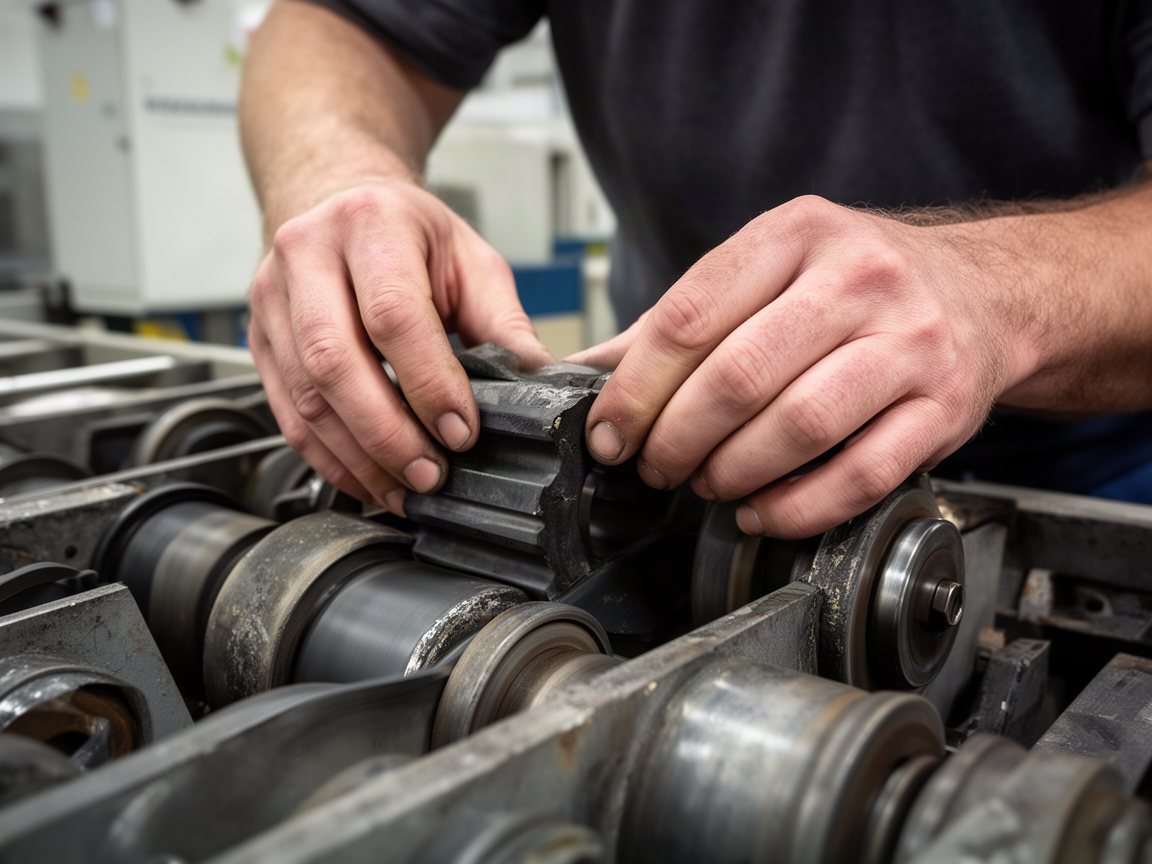
Wear strips, chain guides, star wheels, bearings and rollers in self-lubricating polymers eliminate greasing, reduce noise and cut wear on the metal components they run against.

Projects & Case Studies

Selected Work

Chemical Resistant Components For Process Plant
Chemical Service

Chemical Resistant Components For Process Plant

Parts failing in an aggressive chemical environment were reviewed against the specific exposure and moved to a fluoropolymer grade suited to the chemistry and temperature. Replacement intervals extended from weeks to years.

Scope of Work
Engineering Plastics
Category
Chemical Service
Wear Strip Program For Packaging Lines
Conveyor Components

Wear Strip Program For Packaging Lines

Metal guides requiring regular greasing were replaced with self-lubricating polymer wear strips. Greasing was eliminated, line noise dropped noticeably and wear on the chain running against the guides reduced measurably.

Scope of Work
Engineering Plastics
Category
Conveyor Components
Molding Defects Traced To Resin Drying
Resin Supply

Molding Defects Traced To Resin Drying

A molder experiencing surface defects and property shortfalls was found to be inadequately drying a hygroscopic resin. Corrected drying procedure and equipment resolved defects that had been blamed on tooling for months.

Scope of Work
Engineering Plastics
Category
Resin Supply
Tolerance Problem On Nylon Parts Resolved
Precision Machining

Tolerance Problem On Nylon Parts Resolved

Machined nylon components fitting correctly at inspection and binding in service were growing through moisture absorption. Dimensional allowance and a grade change resolved the issue without redesigning the assembly.

Scope of Work
Engineering Plastics
Category
Precision Machining

Our Advantages

Why Clients Choose Us

Broad Stock On Hand

Sheet, rod, tube and profile across many polymers and sizes, because a replacement wear part is needed this week rather than next month.

Stress Relieved Before Machining

Stock is relieved and parts are machined with polymer-appropriate tooling, so components stay in print after they leave the machine.

Moisture Movement Allowed For

Hygroscopic materials are dimensioned with absorption in mind, which is the most common reason tight tolerance nylon parts fail to fit.

Selection Based On Service

Load, speed, temperature, chemical contact and moisture drive the recommendation, which is how predictable polymer failures get avoided.

Honest Material Advice

Where a cheaper polymer suffices or a metal part should stay metal, we say so rather than specifying an expensive material unnecessarily.

Food Compliance Documented

Materials for food contact arrive with their compliance documentation, including detectable grades where foreign body programs require them.

Stock Plus Machining

Holding broad inventory alongside our own machining means a failed chain guide or wear strip can be replaced in days rather than waited on for weeks.

Selected For Real Service

Temperature, chemistry, load, speed and wear are discussed before a grade is recommended, because the cheapest sheet is rarely the one that survives the duty.

Food Compliance Documented

Food contact grades arrive with manufacturer compliance paperwork, since an auditor asking for evidence will not accept a verbal assurance about a sheet.

Track Record

By The Numbers

60+Polymer Grades Stocked
97%Same-Day Stock Availability
0.001 inAchievable Machining Tolerance
22 yrsPolymer Application Experience

Client Feedback

What Clients Say

They asked what the strips would run against and at what speed, rather than quoting the material we requested. The ones they recommended have outlasted three previous sets.
K
K. BrandsmaMaintenance Engineer, Packaging Client
Our nylon fit problem was moisture, which nobody had mentioned in two years of dealing with it. Dimensional allowance fixed it immediately.
A
A. OyelowoDesign Engineer, Equipment Builder
They told us a part should stay metal rather than selling us an expensive polymer. That conversation is why we now buy everything else from them.
P
P. SteinmetzPlant Engineer, Processing Client

Not Sure Which Polymer Suits Your Part?

Describe the load, temperature and chemical exposure to PLASTIGRAY and we will recommend a grade with the reasoning explained.

Engineering Plastics - Hero

FAQ

Technical material enquiries reach an engineer within one business day.

Questions & Answers

Frequently Asked Questions

Yes, with compliance documentation supplied alongside the material, including metal detectable and x-ray visible grades where your foreign body control program requires them. Tell us the requirement at enquiry so the right grade is quoted.

Not reliably. Plastics need different tooling geometry, feeds and speeds, careful heat management and, importantly, stress relieved stock. Parts machined without those considerations come off in tolerance and move afterwards as internal stress relaxes.

Frequently it is resin drying rather than resin quality. Hygroscopic engineering resins molded without adequate drying produce surface defects and property shortfalls that get blamed on tooling and machine settings for months. Drying is the first thing to check.

It depends on load, speed, temperature, the mating surface and whether contamination or chemicals are present. Ultra high molecular weight polyethylene excels in sliding wear at moderate temperature; acetal offers dimensional stability; filled nylons handle higher loads. The duty decides.

Moisture absorption. Nylon takes up moisture from the air and grows dimensionally, so a part machined dry and in tolerance will move. The fix is dimensional allowance for the expected conditions, or a grade with lower moisture uptake.

Sometimes, and it brings weight, corrosion resistance, noise reduction and lubrication-free operation. But temperature limits, creep under sustained load and thermal expansion all have to be checked. We will tell you honestly when the part should stay metal.

Get In Touch

Technical material enquiries reach an engineer within one business day.

Contact Us
Engineering Plastics - Hero

Contact

Contact

Get In Touch

Technical material enquiries reach an engineer within one business day.

  • Office AddressZAC Gray Sud, 70100 Gray
  • Business HoursMonday to Friday, 8:30 - 17:30
  • Emergency & After-Hours24/7 dispatch for contracted clients
  • Websiteplastigrayinjection.com

Technical material enquiries reach an engineer within one business day.

Projects & Case Studies

Selected Work

Chemical Resistant Components For Process PlantChemical Service

Chemical Resistant Components For Process Plant

Parts failing in an aggressive chemical environment were reviewed against the specific exposure and moved to a fluoropolymer grade suited to the chemistry and temperature. Replacement intervals extended from weeks to years.

View Details
Wear Strip Program For Packaging LinesConveyor Components

Wear Strip Program For Packaging Lines

Metal guides requiring regular greasing were replaced with self-lubricating polymer wear strips. Greasing was eliminated, line noise dropped noticeably and wear on the chain running against the guides reduced measurably.

View Details
Molding Defects Traced To Resin DryingResin Supply

Molding Defects Traced To Resin Drying

A molder experiencing surface defects and property shortfalls was found to be inadequately drying a hygroscopic resin. Corrected drying procedure and equipment resolved defects that had been blamed on tooling for months.

View Details
Tolerance Problem On Nylon Parts ResolvedPrecision Machining

Tolerance Problem On Nylon Parts Resolved

Machined nylon components fitting correctly at inspection and binding in service were growing through moisture absorption. Dimensional allowance and a grade change resolved the issue without redesigning the assembly.

View Details

Image Credits

Photographs on this website are used under open licenses that permit commercial use.

The following images are published under Creative Commons licenses and are listed with their original title and attribution as given by the source.

  • projectSource: fal-flux-2 | License: AI GENERATED
  • serviceSource: fal-flux-2 | License: AI GENERATED
  • projectSource: fal-flux-2 | License: AI GENERATED
  • projectSource: fal-flux-2 | License: AI GENERATED
  • heroSource: fal-flux-2 | License: AI GENERATED
  • heroSource: fal-flux-2 | License: AI GENERATED
  • heroSource: fal-flux-2 | License: AI GENERATED
  • aboutSource: fal-flux-2 | License: AI GENERATED
  • serviceSource: fal-flux-2 | License: AI GENERATED
  • serviceSource: fal-flux-2 | License: AI GENERATED
  • serviceSource: fal-flux-2 | License: AI GENERATED
  • serviceSource: fal-flux-2 | License: AI GENERATED
  • serviceSource: fal-flux-2 | License: AI GENERATED
  • serviceSource: fal-flux-2 | License: AI GENERATED
  • projectSource: fal-flux-2 | License: AI GENERATED
  • clientSource: fal-flux-2 | License: AI GENERATED
  • clientSource: fal-flux-2 | License: AI GENERATED
  • projectSource: fal-flux-2 | License: AI GENERATED

High Performance Polymers

Wear Components Without The Lubrication

Sheet, rod, tube and profile across a broad range of polymers, plus machined components, fabricated assemblies and resin supply, from a source that will tell you when the material is wrong.

  • Stress Relieved
  • PEEK & PTFE
  • Food Compliant
  • Material Advice
Engineering Plastics - Project

Track Record

By The Numbers

60+Polymer Grades Stocked
97%Same-Day Stock Availability
0.001 inAchievable Machining Tolerance
22 yrsPolymer Application Experience

Our Advantages

Why Clients Choose Us

Broad Stock On Hand

Sheet, rod, tube and profile across many polymers and sizes, because a replacement wear part is needed this week rather than next month.

Stress Relieved Before Machining

Stock is relieved and parts are machined with polymer-appropriate tooling, so components stay in print after they leave the machine.

Moisture Movement Allowed For

Hygroscopic materials are dimensioned with absorption in mind, which is the most common reason tight tolerance nylon parts fail to fit.

Selection Based On Service

Load, speed, temperature, chemical contact and moisture drive the recommendation, which is how predictable polymer failures get avoided.

Honest Material Advice

Where a cheaper polymer suffices or a metal part should stay metal, we say so rather than specifying an expensive material unnecessarily.

Food Compliance Documented

Materials for food contact arrive with their compliance documentation, including detectable grades where foreign body programs require them.

Stock Plus Machining

Holding broad inventory alongside our own machining means a failed chain guide or wear strip can be replaced in days rather than waited on for weeks.

Selected For Real Service

Temperature, chemistry, load, speed and wear are discussed before a grade is recommended, because the cheapest sheet is rarely the one that survives the duty.

Food Compliance Documented

Food contact grades arrive with manufacturer compliance paperwork, since an auditor asking for evidence will not accept a verbal assurance about a sheet.

Our Services

What We Do

01

Resin & Compound Supply

Supply of engineering resins, compounds, masterbatch and additives to molders and extruders, with grade selection support, drying guidance and processing parameter advice. Many molding defects trace to inadequa

View Details
02

Precision Plastic Machining

Computer controlled milling and turning of plastic components with stress relieved stock, tooling and feeds selected for the polymer, and dimensional allowance for moisture absorption and thermal movement. Plas

View Details
03

Material Selection & Technical Support

Application review covering load, speed, temperature, chemical contact, moisture exposure, regulatory requirements, tolerance needs and cost, with honest guidance including cases where a cheaper material is ent

View Details
04

Food Grade & Regulated Applications

Materials with appropriate food contact compliance documentation for processing and packaging equipment, including detectable polymers where foreign body control programs require them. Compliance documentation

View Details
05

Stock Shapes: Sheet, Rod, Tube & Profile

Extensive inventory of sheet, rod, tube and profile across engineering and commodity polymers in a broad range of sizes, with cut-to-size service. Having material on the shelf matters because a replacement wear

View Details
06

High Performance & Chemical Resistant Polymers

PEEK, PPS, PVDF, PTFE and filled fluoropolymers, polyimides and other high temperature or chemically resistant materials for demanding service in chemical processing, semiconductor, energy and medical applicati

View Details

Our Process

How We Work

  1. 1

    Review The Application

    We establish load, speed, operating and peak temperatures, chemical and moisture exposure, tolerance requirements, regulatory constraints and whether the part will be machined, fabricated or molded.

  2. 2

    Recommend Material

    A polymer and grade are proposed with the reasoning stated, including dimensional stability, wear behavior and any limitations, plus alternatives where cost and performance trade off.

  3. 3

    Supply Or Machine

    Stock is cut and supplied, or components are machined from stress relieved material with polymer-appropriate tooling and inspection at stable temperature.

  4. 4

    Verify & Support

    Dimensions are verified, documentation supplied where compliance applies, and in-service performance reviewed so material selection can be refined if the duty proves different from expectation.

Compliance

Standards & Credentials

  • ISO 9001 Quality Management
  • FDA Food Contact Material Documentation
  • ASTM D638 Plastic Tensile Testing
  • EU 10/2011 Food Contact Compliance
  • RoHS & REACH Material Compliance
  • ISO 45001 Occupational Health & Safety

Machined parts are inspected and dimensionally reported on request.

Projects & Case Studies

Selected Work

Chemical Resistant Components For Process PlantChemical Service

Chemical Resistant Components For Process Plant

Parts failing in an aggressive chemical environment were reviewed against the specific exposure and moved to a fluoropolymer grade suited to the chemistry and temperature. Replacement intervals extended from weeks to years.

View Details
Wear Strip Program For Packaging LinesConveyor Components

Wear Strip Program For Packaging Lines

Metal guides requiring regular greasing were replaced with self-lubricating polymer wear strips. Greasing was eliminated, line noise dropped noticeably and wear on the chain running against the guides reduced measurably.

View Details
Molding Defects Traced To Resin DryingResin Supply

Molding Defects Traced To Resin Drying

A molder experiencing surface defects and property shortfalls was found to be inadequately drying a hygroscopic resin. Corrected drying procedure and equipment resolved defects that had been blamed on tooling for months.

View Details
Tolerance Problem On Nylon Parts ResolvedPrecision Machining

Tolerance Problem On Nylon Parts Resolved

Machined nylon components fitting correctly at inspection and binding in service were growing through moisture absorption. Dimensional allowance and a grade change resolved the issue without redesigning the assembly.

View Details

Sectors

Who We Serve

Packaging and handling machine builders need parts that hold tolerance at speed.

  • Food & Beverage Processors
  • Packaging Machinery Builders
  • Material Handling Equipment Makers
  • Chemical Processing Plants
  • Semiconductor & Electronics Makers
  • Pulp, Paper & Converting
  • Water & Wastewater Utilities
  • Medical Device Manufacturers

Questions & Answers

Frequently Asked Questions

Technical material enquiries reach an engineer within one business day.

Read More

Yes, with compliance documentation supplied alongside the material, including metal detectable and x-ray visible grades where your foreign body control program requires them. Tell us the requirement at enquiry so the right grade is quoted.

Not reliably. Plastics need different tooling geometry, feeds and speeds, careful heat management and, importantly, stress relieved stock. Parts machined without those considerations come off in tolerance and move afterwards as internal stress relaxes.

Frequently it is resin drying rather than resin quality. Hygroscopic engineering resins molded without adequate drying produce surface defects and property shortfalls that get blamed on tooling and machine settings for months. Drying is the first thing to check.

It depends on load, speed, temperature, the mating surface and whether contamination or chemicals are present. Ultra high molecular weight polyethylene excels in sliding wear at moderate temperature; acetal offers dimensional stability; filled nylons handle higher loads. The duty decides.

From Our Desk

Insights & Updates

Engineering Plastics - Hero

Machining Plastics Is Not Machining Metal

Tooling geometry, heat management and stress relieved stock. Why parts move after they leave the machine.

Engineering Plastics - Hero

Drying Hygroscopic Resins Properly

The molding defects that get blamed on tooling for months and are actually a drying problem.

Engineering Plastics - Project

Choosing A Wear Polymer

Load, speed, temperature, mating surface and contamination. A practical comparison of the common wear materials.

Engineering Plastics - Client

Moisture Absorption And Lost Tolerances

Why nylon parts grow after installation, how much to allow and which grades move least.

Not Sure Which Polymer Suits Your Part?

Describe the load, temperature and chemical exposure to PLASTIGRAY and we will recommend a grade with the reasoning explained.